

John Butterworth Clarke, 7th Squadron RAF, Bomber Command.
- Rank
- Sergeant
- Name
- JOHN BUTTERWORTH CLARKE
- Regiment
- Royal Air Force
- Date of Death
- Died 24 March 1941
John was born on 17th January 1921 in Blackpool, Lancashire to Albert and Mary (nee Ingham). He had one sibling, an older sister, Dorren Mary. The family were living at 79 Talbot Road Blackpool and his father worked as a confectioner. At aged 6 months John was resident at 24 Ibbison St. Blackpool as a ‘nurse child’. A ‘nurse child ‘was the term often used to describe a child who was cared for by another family member or caregiver, where the parents were unable to look after them for a variety of reasons for example hospitalization or work commitments.
Very little is known about John’s early years. His father had died in 1930 and by 1939, his mother was living with a relative in Waterloo Rd Blackpool where they ran a sweet shop. His sister, having married in Blackpool in 1938, was now living in Surrey where she worked for the British Red Cross.
We do not know exactly when John attested but during WW2 Blackpool was the biggest training centre in the world with over 800,000 recruits passing through the town. No 9 and No 10 RAF recruitment centres were also hosted in Blackpool primarily at RAF Squires Gate (now Blackpool Airport) and Stanley Park Aerodrome. Squires Gate provided flying and operational training whilst Stanley Park provided accommodation, drill squares, administration and classrooms.
It would be safe to assume that John attested and trained in Blackpool given he was a local boy but that cannot be confirmed. John was a wireless operator/air gunner in RAF 7th Squadron Bomber Command.
7 Squadron went through several changes during WW2. At the outbreak of war, it was part of No. 6 group of Bomber Command which provided training on the Handley Page Hampden. In April 1940 it merged with No 76 Squadron creating No. 16 operational training unit and on 1st August 1940 the squadron changed again and reformed specifically to fly the new aircraft, the Short Stirling, a four engined heavy bomber.
He is first mentioned in operational flying records on 17th March 1941 as an air gunner in the Short Stirling 1. No 3635 flying from Oakington, Cambridge. The crew commenced flying at 01.49 and the mission was to bomb the oil storage near Rotterdam. The mission was successful, safely landing at Upavon, Wiltshire at 06.45.
His next mission was 4 days later on 21st March 1941 again as air gunner in aircraft Short Stirling 1 No 3643. The crew commenced flying at 03.35. but could not locate the target and jettisoned the bomb load before reaching the home coast, landing with a failed port inner engine at 05.55.
Two days later, on the night of 23/24th March 1941, flying the same aircraft, the crew took off from Newmarket as the runway at their home station in Oakington, Cambridge was under repair. The operation was to bomb the oil storage at Rotterdam for a second time. The aircraft developed a technical fault and was ordered to abandon the mission which forced them to return home. As they flew over the coast, observers on the ground noticed one of the aircraft’s engines was on fire, streaming smoke, and rapidly losing altitude.
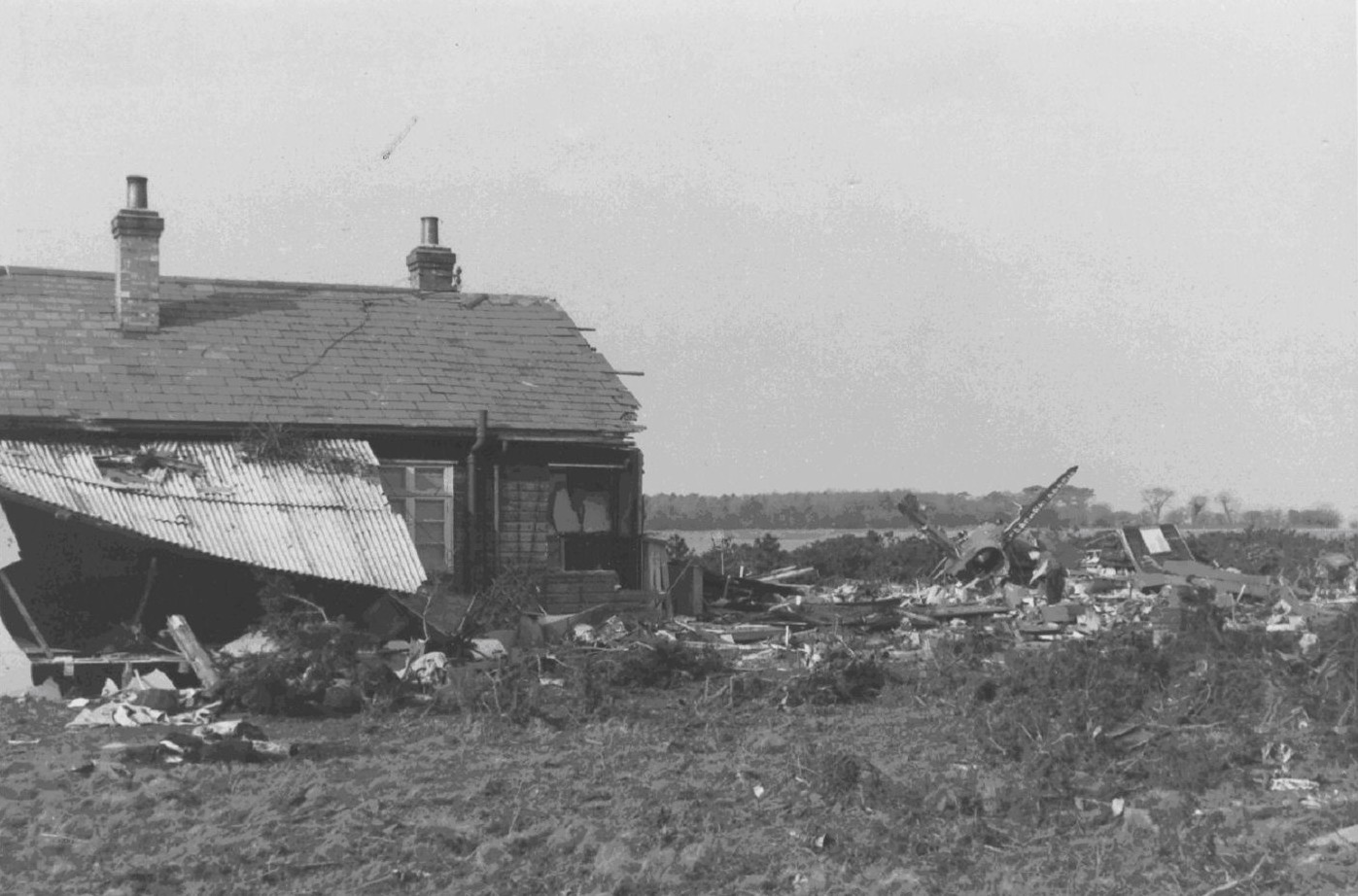
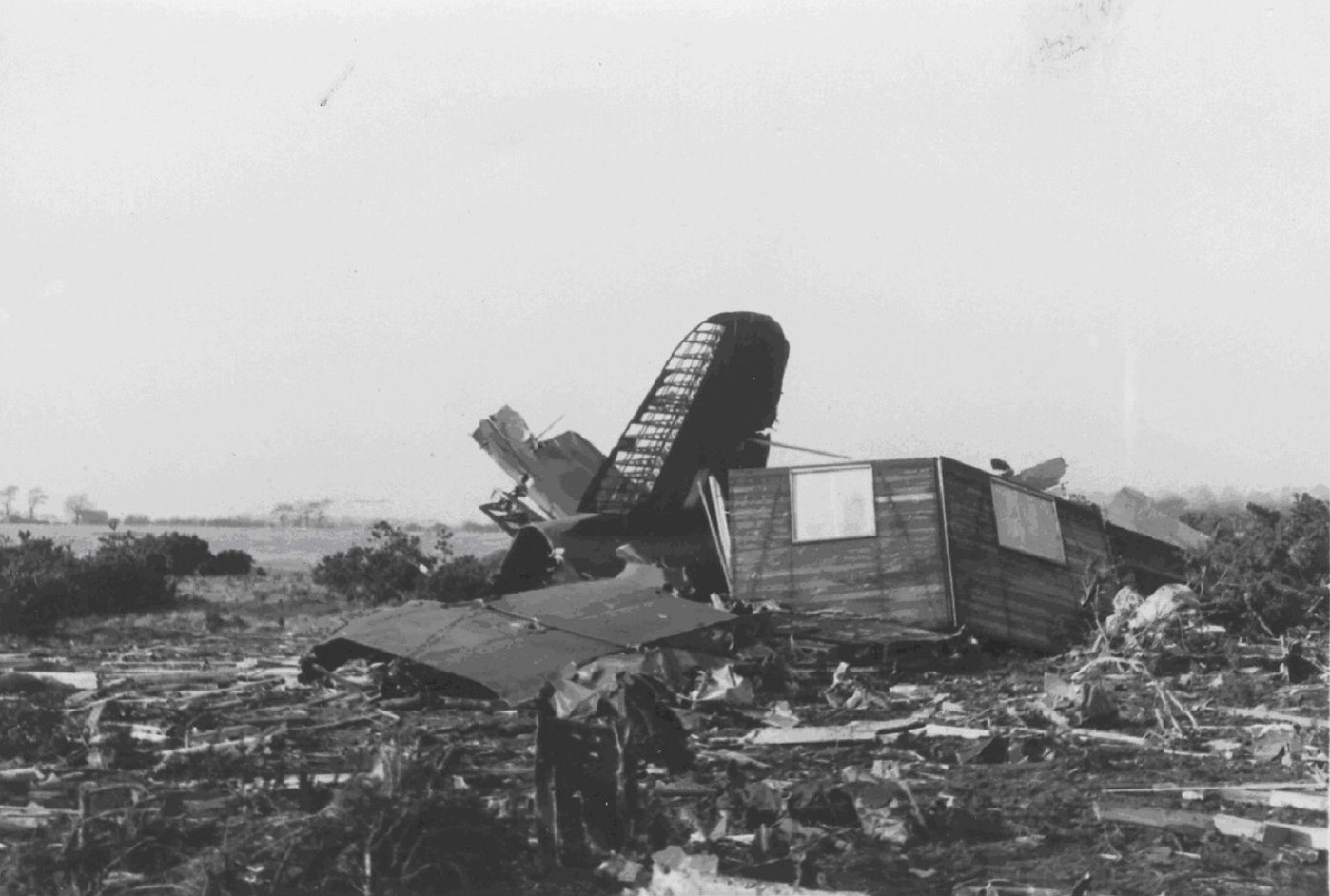
As it approached Leiston, Suffolk, the aircraft, while trying to make an emergency landing, collided with high tension cables then struck the gable end of a cottage called ‘Logwood’ owned by a Mr. Charlie Lovett, and crashed on the Aldringham/Aldeburgh Road. Continuing its momentum, it went through thick gorse hedging breaking up as it went and demolished the clubhouse and pavilion of the Hazelwood Golf Course.
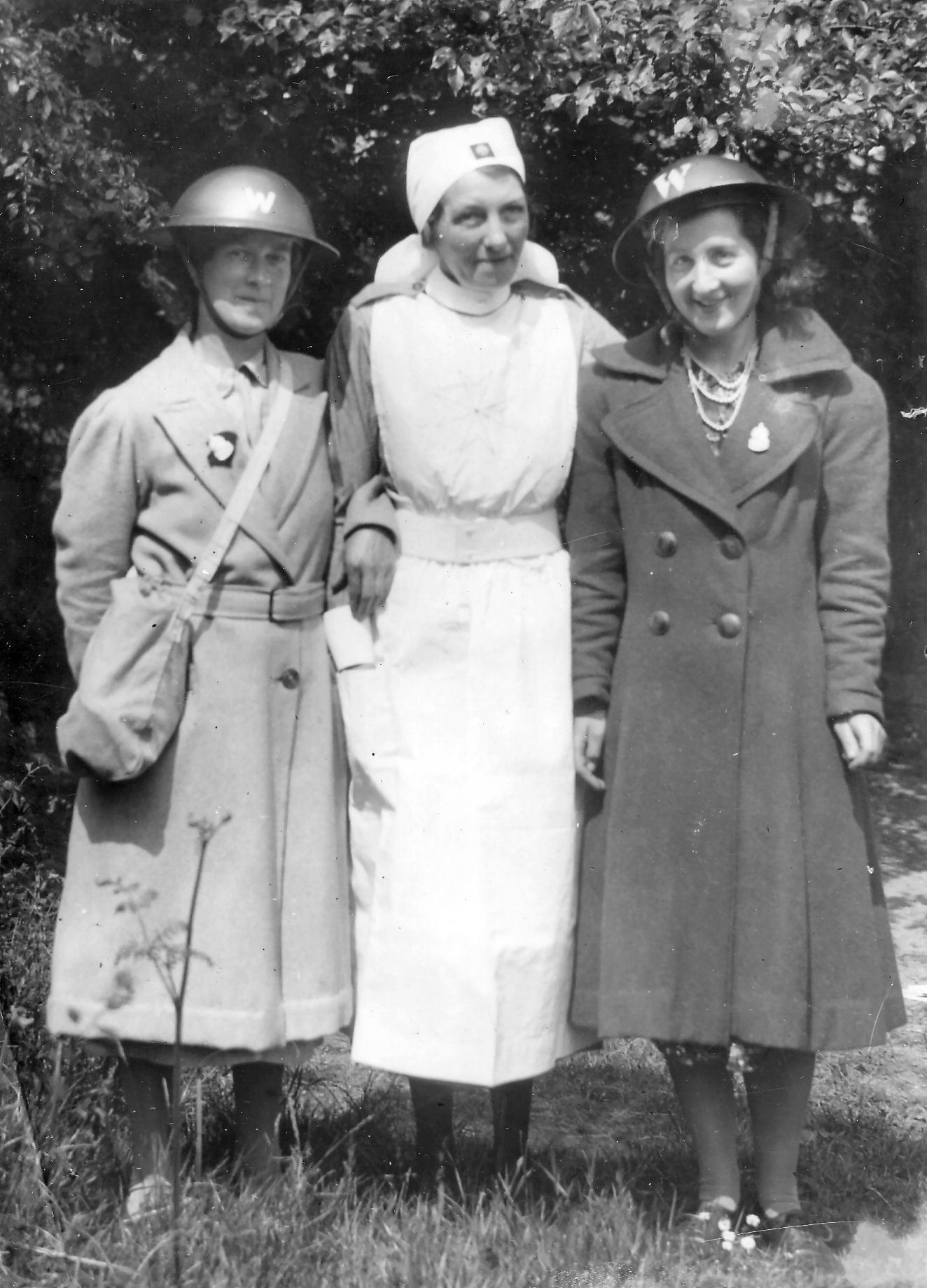
Three Auxiliary nurses who lived locally, Mrs Amy Spall, Mrs Joan Ley and Miss Florrie Mower, rushed to the scene within minutes and frantically tried to save the crew despite the danger as the bomber was fully laden with its full arsenal of bombs and ammunition was lying about.
The nurses managed to pull Flight Sergeant Fred White out of the wreckage alive, but he unfortunately died from his injuries a few days later. All other crew members perished in the crash.
John is buried at Marton (St. Paul) Church Burial Ground, Marton, Blackpool. Plot 9. Grave No: 32 He is also commemorated at the International Bomber Command Centre, Lincoln and the Blackpool Cenotaph, Princess Parade.

Loading map…

Support the Foundation
By donating to our Charitable Foundation you help us deliver projects like For Evermore, which educate and inspire future generations to remember those who gave their lives in the two World Wars. With your support, we can keep their stories alive and ensure they are never forgotten