

Take on the Runnymede to Tower Hill Memorial Challenge!
Take on this powerful and reflective journey along the Thames Path, covering just over 40 miles from the historic fields of Runnymede to the heart of London at Tower Hill. This unique walk brings together landscape, heritage, and remembrance, following the river that has shaped the story of Britain.
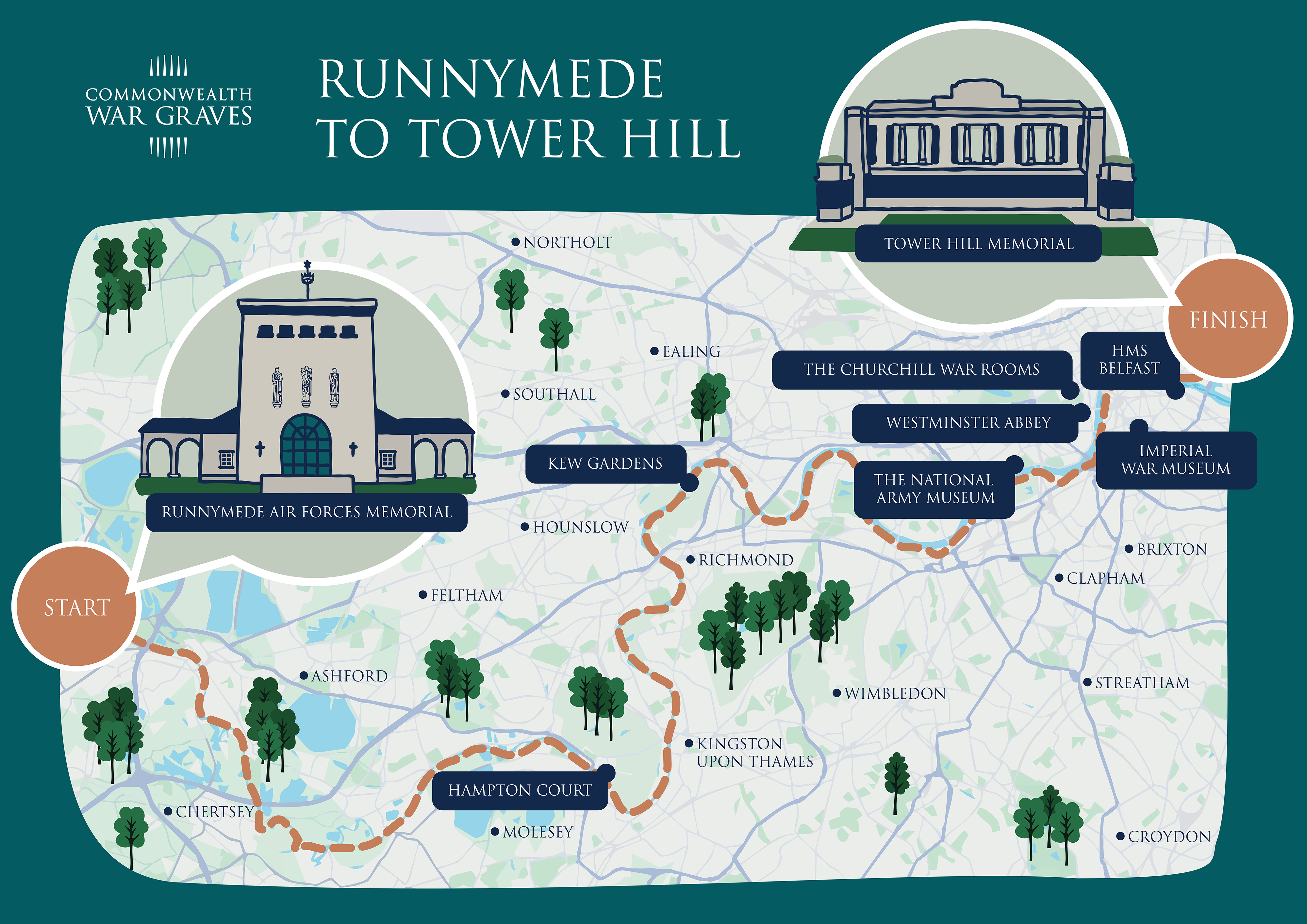
Click the map for a larger version
Linking the Air Forces Memorial at Runnymede with the Tower Hill Memorial in the City of London, the route connects two sites that commemorate those with no known grave, one honouring the fallen of the air forces and the other those of the Merchant Navy and Fishing Fleets.
Together, they tell a shared story of sacrifice across sea and air, bound by the Thames and the enduring importance of remembrance.
Create your JustGiving page and start the Challange
Event Overview
This route traces the Thames through some of the most scenic and historically rich stretches of riverbank in the country. The walk is both a physical challenge and a moving tribute, linking sites of national significance tied to service, sacrifice, and remembrance.
Although entirely up to you, we suggest starting at the Runnymede Air Forces Memorial and finishing at the Tower Hill Memorial.
You are encouraged to follow the Thames Path throughout, passing through the Runnymede National Trust estate and crossing into Coopers Hill Woods near the Magna Carta Memorial and the John F. Kennedy Memorial. From here, join the Thames Path, following it along the river through west London and into the capital.
DID YOU KNOW THAT...


Why These Locations Matter
The Start: Runnymede Air Forces Memorial
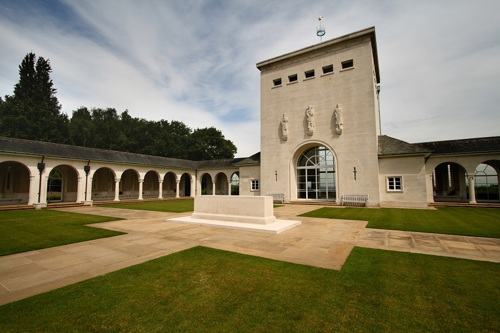 The walk begins at one of the most significant sites of remembrance in the United Kingdom.
The Runnymede Air Forces Memorial stands high on Coopers Hill, overlooking the River Thames and the historic Runnymede meadows where Magna Carta was sealed in 1215.
This memorial commemorates more than 20,000 men and women of the Commonwealth Air Forces who were lost during the Second World War and have no known grave. Many were lost in operations over Britain, north-west Europe, and the Atlantic, often without trace.
Its location is deeply symbolic. The nearby Magna Carta memorial represents the origins of liberty and justice, while the Air Forces Memorial honours those who lost their lives defending those very freedoms, centuries later.
Beginning the walk here creates a powerful link between historic rights and modern sacrifice.
- The memorial is approximately 1.5 miles from Egham station. You can either walk or take a short taxi ride up to the site.
- If you are planning to leave your car locally while taking on the challenge, limited parking is available in Egham. From there, you can make your way up to the memorial on foot or by taxi.
The Finish: Tower Hill Memorial
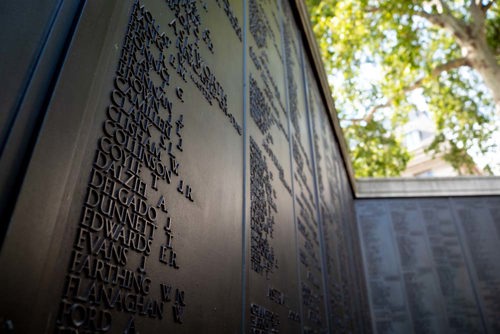 The journey ends at Tower Hill Memorial, beside the Tower of London in Trinity Square Gardens, one of the most important maritime memorials in the world.
The memorial commemorates over 36,000 men and women of the Merchant Navy and Fishing Fleets who died during the World Wars and have no known grave. Many were lost at sea, remembered here because they have “no grave but the sea.”
The site includes two principal memorials:
- The First World War memorial, unveiled in 1928
- The Second World War extension, unveiled in 1955
Together they reflect the enormous contribution of the civilian maritime service, which kept Britain supplied with food, fuel, and vital materials under constant threat from enemy action. Losses were particularly severe during the war years, especially during the Battle of the Atlantic.
Located close to the Thames and the historic gateway to London, the memorial symbolises the journeys of ships that sustained the nation. Ending the walk here brings the story full circle, from those who fought in the skies to those who served and were lost at sea.
Talks & tours
Commonwealth War Graves frequently runs events, talks and tours at the Runnymede and Tower Hill Memorials. Timing your challenge to catch one of these is a great way to learn more about the men and women commemorated at each site, plus Commonwealth War Graves' work in maintaing these stunning memorials.
Visit the CWGC Events page to find the latest Runnymede and Tower Hill talks and tours to plan your challenge.

The Route
Spanning just over 40 miles, the route follows the Thames Path, moving from open countryside into the iconic landscapes of London.
This is a route rich in heritage, offering a continuous connection between past and present, remembrance and everyday life.
Memorials and Points of Remembrance
Along the route, you will pass through a series of towns and communities, each with its own war memorials, and we encourage you to take time to visit as many as you can.
In central London, you will also encounter a significant concentration of national memorials, including the Battle of Britain Monument and the Women of World War II Memorial, each reflecting different aspects of service and sacrifice.
Cemeteries and Sites of Reflection
You will also pass two Commonwealth War Graves Commission sites of note close to the route.
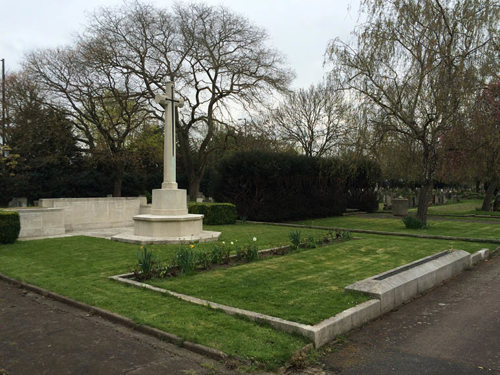
Mortlake Cemetery
Contains 109 Commonwealth war burials, with a number in shared graves and others commemorated on a screen wall alongside casualties cremated at the adjoining crematorium.
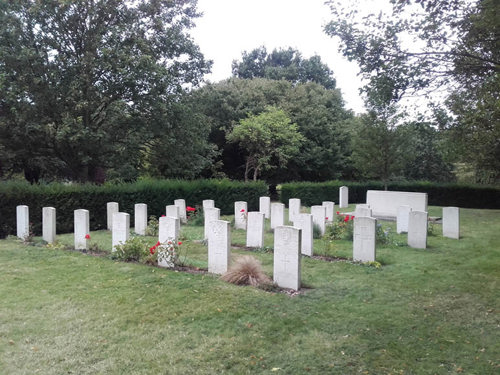
Fulham Palace Road Cemetery
A more extensive CWGC site, containing 240 Commonwealth war burials. It includes a dedicated war plot, creating a more defined space for remembrance, with additional names commemorated on a screen wall.
Both sites offer quieter moments for reflection away from the main route. As they are privately managed, visitors are encouraged to check opening times in advance.
Key Historical Landmarks
Along the route, you will encounter several nationally important sites that deepen the story of remembrance, including Westminster Abbey (home to the Tomb of the Unknown Soldier and the Civilian War Dead Roll of Honour), the Churchill War Rooms, the Imperial War Museum, and HMS Belfast.
How to Take on the Challenge
This route can be approached in different ways depending on experience and ability:
- Ultra challenge (single day): Completing the full distance in one day is possible, but only for very experienced ultra runners or walkers.
- Multi day challenge (recommended): Given the distance and the number of significant sites along the way, we strongly recommend completing the route over several days, allowing time to fully experience and reflect at key locations.
Important Practical Information
Important Practical Information
We recommend beginning at Runnymede. The site is typically open from 9am to 6pm but please do check beforehand.
Our suggested route follows the Thames Path the entire distance once you reach the river in Runnymede. Some parts of the path do close for various reasons, so please do check the Thames Path Map and Trail Information before setting out to confirm whether any sections are closed.
As this is a self-guided event undertaken entirely at your own risk, please assess your fitness beforehand and review relevant guidance, including the Thames Path National Trail information, the National Trust and the Countryside Code.
Useful guidance
Participants are also encouraged to complete the route by bike, however cycling is not permitted on many sections of the Thames Path. You will need to plan a safe alternative route where required.
Due to the distance and nature of the route, plan rest stops, accommodation, advanced tickets to any sites you plan to visit and travel logistics in advance.
A Walk with Purpose
Please do set up a fundraising page on JustGiving here, and we would love you to share your experience and photos with us at supporters@cwgc.org.
We will also keep a timed leaderboard for those wishing to take on the challenge competitively, so please do send over your time!
If you raise over £500, please get in touch with us to receive your complimentary CWGC pin badge and a coffee table book about the CWGC, For the Fallen.